By Lisa Turchiarelli
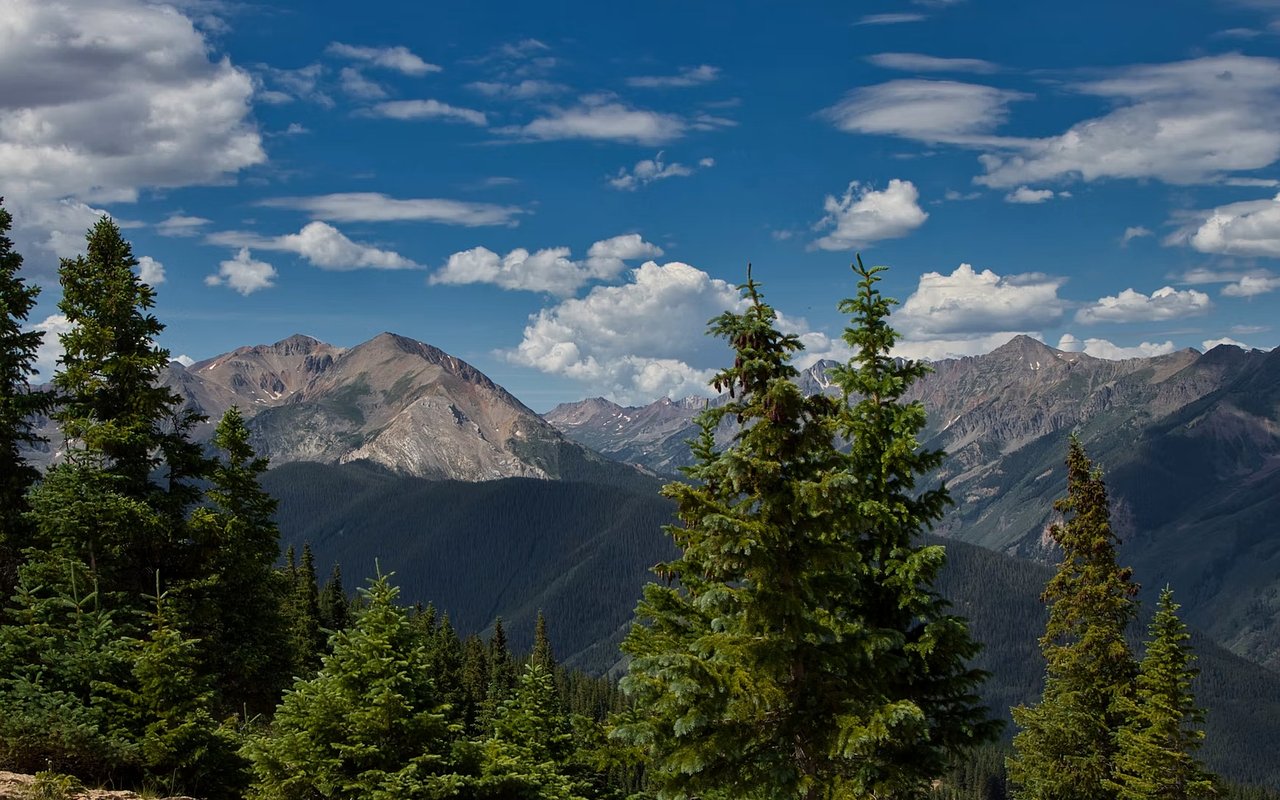
Red Mountain gets its reputation from a record sale, but what actually sets it apart is orientation. The hillside faces south across the valley, which means sun on the deck in February when the town below is still in shadow. Add unobstructed views from Independence Pass to Mount Sopris and a five-minute drive to the core, and you have a combination that can't be built anywhere else in Aspen. That's the part buyers understand once they stand on a property here.
Key Takeaways
- Red Mountain's south-facing position delivers all-day sun that other Aspen neighborhoods can't match.
- Many homes here were built at sizes current land use rules no longer permit.
- Lot value, view corridor, and buildability drive pricing more than the existing structure.
- The neighborhood is entirely residential, with no lodging, retail, or through traffic.
What Makes Red Mountain Different From Other Aspen Neighborhoods?
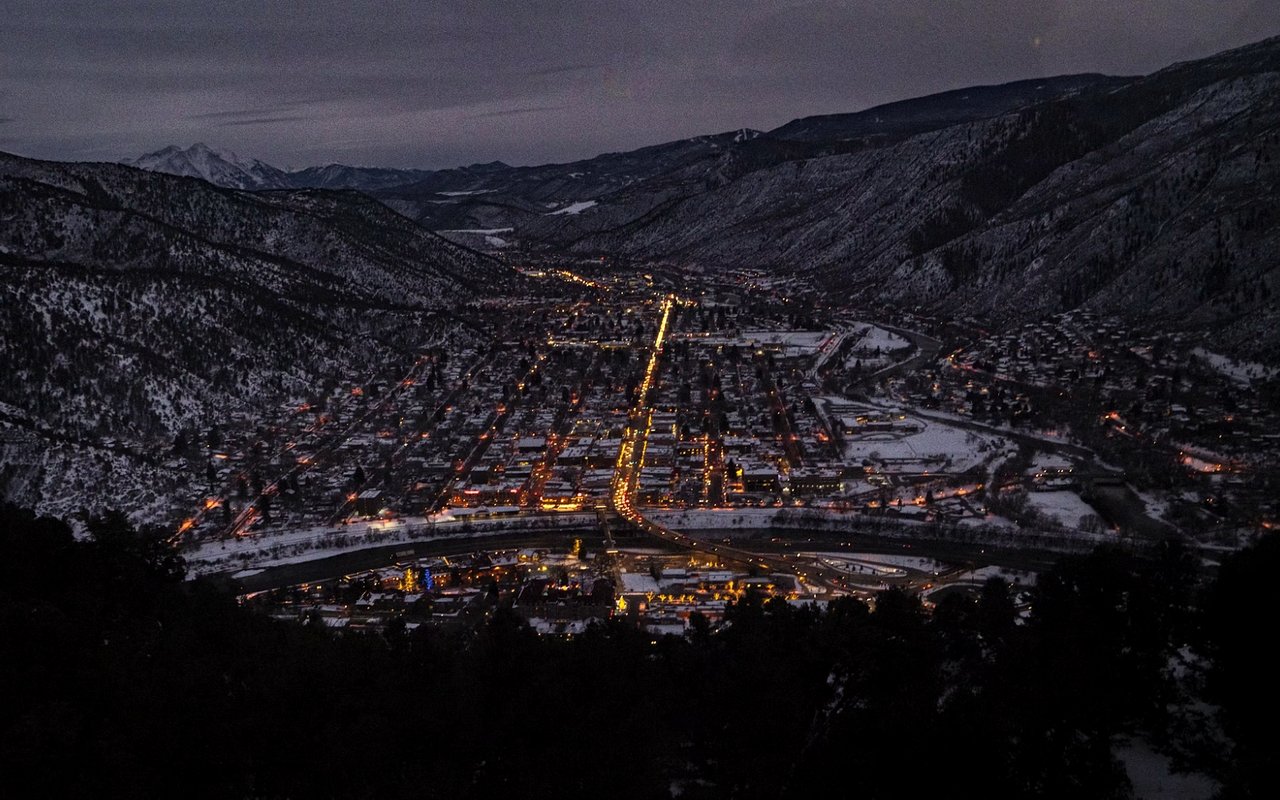
Red Mountain rises directly north of the Aspen core, separated from downtown by the Roaring Fork River and reached by a short drive up Red Mountain Road. The elevation gives properties a viewshed no future construction can interrupt, since everything they overlook sits below them.
The neighborhood is also purely residential. There are no hotels or shops on the mountain, so traffic consists of residents and their guests.
The Features That Define the Neighborhood
- A south-facing aspect that captures sun through the shortest days of winter
- Panoramic views spanning Aspen Mountain, the Elk Mountain Range, and the Maroon Bells beyond
- Willoughby Way at the base of the mountain and Red Mountain Road climbing the slope above it
- Parcels large enough to deliver real separation between neighbors, with homes set behind long drives
- Direct access to Hunter Creek Trail, the Rio Grande Trail, and the Sunnyside Trail
How Much Do Homes on Red Mountain Actually Sell For?
Red Mountain holds Aspen's highest property values, and it's where Colorado's residential price ceiling has been set repeatedly. In April 2024, the estate at 419 Willoughby Way closed at $108 million, which the
Aspen Times reported as the highest-priced residential sale in both Aspen and Colorado history.
That single transaction skews every neighborhood average it lands in, which is exactly why I don't quote Red Mountain averages to clients without context.
What Drives Value on This Hillside
- Lot position, with lower Red Mountain and Willoughby Way commanding the strongest pricing for views plus proximity
- The specific view corridor, since a shift of a few degrees changes what a property looks out on
- Buildable square footage, given that many existing homes exceed what current rules would allow on the same lot
- Usable outdoor space, which is limited on sloped parcels and therefore valued heavily where it exists
- Privacy, which on a hillside is a function of landscaping, driveway length, and how the lot sits
Why Are So Many Red Mountain Purchases About the Land?
They focus on land since buyers here are frequently acquiring a lot and a view rather than a house. Comprehensive rebuilds have largely replaced light renovations, and a dated structure on an exceptional parcel often trades on what could be built rather than what's standing.
That's a different underwriting exercise than a typical luxury purchase, and it's where local knowledge earns its keep.
What I Walk Buyers Through Before They Offer
- Current Pitkin County and City of Aspen size limits versus what the existing home was built to
- Whether the property's square footage is grandfathered, and what happens to that status in a rebuild
- Realistic construction timelines and costs, both of which run high in this market
- Access and driveway considerations, which matter more on a hillside than most buyers anticipate
- How the parcel's orientation performs across seasons, not just on the afternoon of the showing
What Is Living on Red Mountain Actually Like?
It's quiet in a way the rest of Aspen isn't, while still being close enough that dinner downtown doesn't require planning. Most residents describe the daily rhythm as trail access in the morning and the core in the evening, with the drive between them measured in minutes.
The tradeoff is that this is a residential hillside, not a walkable neighborhood. You'll drive to almost everything.
The Day-to-Day Reality
- Trailheads for Hunter Creek and the Rio Grande are close enough for a morning run before work
- The Aspen core, with its galleries, restaurants, and the gondola, sits about five minutes away
- Winter sun exposure means driveways and decks clear faster than on north-facing slopes
- Homes are spaced far enough apart that neighbors are visible only by choice
- There's no walkable commercial district on the mountain itself
Frequently Asked Questions
Why is Red Mountain called Billionaire Mountain?
The nickname comes from the concentration of ultra-high-net-worth owners who've bought here over the past two decades, reinforced by a string of record-setting sales. It's a shorthand the media adopted rather than anything official.
Can I build a large new home on Red Mountain today?
Not at the scale of many existing homes. Size limits have tightened considerably, which is a significant part of why properties with grandfathered square footage carry the premium they do.
Is Red Mountain a good fit if I want to walk to town?
Usually not. The core is a short drive, but the hillside grade and the river crossing make it a car neighborhood in practice. Buyers who prioritize walking generally look at the West End or the core itself.
Contact Lisa Turchiarelli Today
Red Mountain rewards buyers who look past the address and evaluate the specific parcel, because two properties on the same road can offer completely different views, sun exposure, and rebuild potential. That's the analysis I'd want to do with you before you fall for a photograph.
If Red Mountain is on your list, reach out to me,
Lisa Turchiarelli. I'll walk you through what's available, what a rebuild would involve, and how the hillside compares to other
Aspen luxury homes for sale.