West End Aspen: Historic Charm And Cultural Energy
May 28, 2026
May 28, 2026
If you are drawn to Aspen for more than ski access and luxury finishes, the West End stands out right away. This is the part of town where mature trees, historic homes, cultural institutions, and walkable streets come together in a way that feels distinctly Aspen. If you are considering buying, renting, or renovating here, understanding how the neighborhood actually works can help you make a smarter move. Let’s dive in.
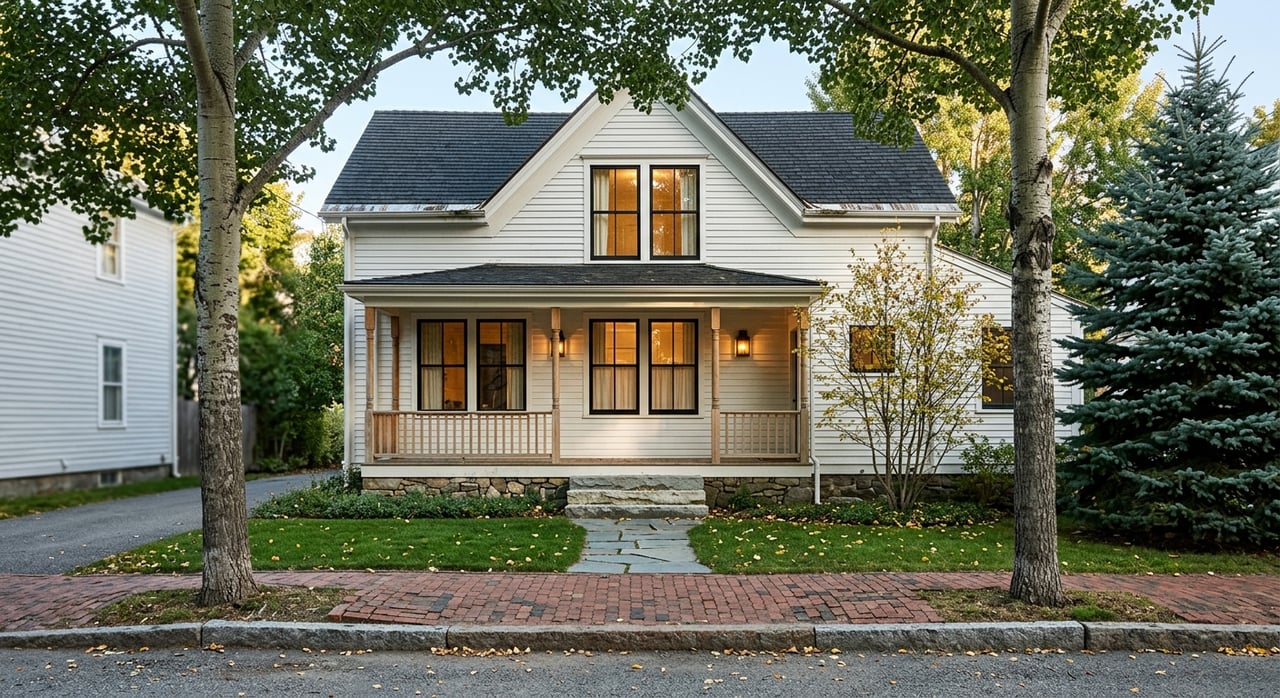
West End is Aspen’s residential neighborhood on the west side of town, and local historical sources describe it as a quiet, tree-lined area with a strong historic identity. The neighborhood is bordered by Aspen Meadows, the Aspen Institute, and the Wheeler/Stallard Museum campuses, which helps explain why it feels both residential and culturally connected.
What sets the area apart is its architectural mix. According to the Aspen Historical Society, the West End includes both Victorian and midcentury modern homes, creating a streetscape that feels layered rather than uniform. You are not just looking at one style or one era here. You are seeing a neighborhood shaped over time.
City preservation guidance adds another layer to that sense of place. In the west part of town, historic irrigation ditches still run alongside many streets, and some post World War II chalets were oriented toward Aspen Mountain. Those details help explain why the neighborhood has such a strong visual rhythm and why it often appeals to buyers who value continuity over constant reinvention.
In the West End, historic charm is not just aesthetic. It can directly affect what ownership looks like, especially if a property is individually designated or located within a historic district. Aspen’s Historic Preservation FAQ states that these properties are subject to Historic Preservation requirements.
That review process matters because it can apply to more than major additions. The city says exterior work and some interior work may require review before work begins, including masonry paint, window replacement, structural framing changes, HVAC replacement, and penetrations through historic material.
For you as a buyer or owner, that means renovation planning should start early. If authenticity is part of the appeal, the approval process is often part of the package too. In practical terms, the West End may be a strong fit if you appreciate historic architecture and are comfortable taking a careful, well-planned approach to updates.
If you are evaluating a West End property with improvement potential, it helps to look beyond finishes and floor plans. You also want to understand whether historic review may affect timing, scope, and design decisions.
That does not mean every project becomes difficult. It does mean the process can be more detailed than in a neighborhood without the same preservation framework. For many buyers, that tradeoff is worth it because the review process helps protect the character that makes the area so appealing in the first place.
One of the West End’s biggest advantages is how naturally it connects residential life to Aspen’s cultural calendar. The neighborhood sits close to major institutions including Aspen Meadows, the Aspen Institute, and the Wheeler/Stallard Museum, so the surrounding area feels active and relevant throughout the year.
The Aspen Music Festival and School reinforces that energy. It was founded in 1949 and now presents a summer season with hundreds of events, while the Michael Klein Music Tent seats 2,050 people. The Doerr-Hosier Center, also part of that broader campus area, adds to the concentration of cultural destinations near the West End.
The Aspen Historical Society also offers guided tours in both summer and winter, along with off-season experiences. So while the neighborhood is known for its historic appearance, it is also part of an area that is actively used, interpreted, and enjoyed year-round.
A key landmark in the West End is the Wheeler/Stallard Museum. This Queen Anne Victorian, built around 1887 or 1888, is listed on the National Register of Historic Places and serves as a public history site.
Its presence says a lot about the neighborhood. In the West End, history is not hidden behind gates or reduced to a design theme. It is visible, preserved, and woven into daily life.
For many buyers, the West End offers a compelling balance between residential calm and access to town. Aspen is officially described as a small, pedestrian- and bike-friendly city with sidewalks throughout town, which supports an easy day-to-day rhythm without depending on a car for every short trip.
That convenience extends beyond walking. The city operates free shuttle routes connecting residents to offices, trailheads, ski lifts, and other destinations. Broader transportation options also include free buses, the Downtowner, car share, bike share, and regional RFTA service.
Downtown Aspen is close by and functions as the town’s retail, dining, and transit hub. City planning materials describe the downtown core as a concentration of retail, restaurants, and transit services, and the Aspen Pedestrian Mall, completed in 1976, has been recognized as a Great Public Space by the American Planning Association.
For you, that means the West End works best when understood as a residential district with immediate access to downtown amenities. It is not isolated. It is connected.
Aspen’s convenience comes with structure, especially around parking and winter operations. In the downtown core, parking is enforced from 10 a.m. to 6 p.m. with a four-hour limit. Peak-season pricing applies from June through September and from December through March, while April through May and October through November are lower-cost periods with more free days.
The city says this parking program is designed to reduce congestion, improve air quality, and preserve Aspen’s small-town character. It also notes that paid parking revenue supports free public transportation. That is useful context if you expect to move around town frequently or host guests during busier seasons.
Winter brings another routine to know. Aspen reports more than 150 inches of snowfall each year, and residents are expected to follow no-parking rules from 3 a.m. to 7 a.m. so snow crews can plow and haul snow. In other words, daily life here can feel very easy, but it also follows a mountain-town schedule rather than a suburban one.
If you are considering the West End as a full-time home, second home, or seasonal rental location, these operational details are worth taking seriously. The neighborhood offers strong access and walkability, but you will enjoy it most if you are comfortable with Aspen’s seasonal systems.
That is especially true during summer events and winter snow periods, when movement around town feels a little more managed. For many people, that structure is part of what keeps Aspen functional and enjoyable during its busiest months.
The West End tends to resonate with people who want a strong sense of place. Its appeal is less about brand-new uniformity and more about historic homes, mature landscaping, cultural institutions, and a street pattern that feels rooted in Aspen’s history.
You may be drawn to the area if you want to walk or bike into town, stay close to Aspen’s cultural corridor, and own in a neighborhood where preservation has helped maintain character over time. You may also see value here if you are comfortable approaching renovation thoughtfully and with the right advisory support.
For investor-minded buyers, the neighborhood’s location near downtown and major cultural venues can also shape long-term interest. While every property needs to be evaluated on its own merits, the West End’s combination of history, access, and year-round relevance gives it a very specific kind of staying power.
In a neighborhood like the West End, the details matter. A home’s historic status, renovation pathway, proximity to cultural anchors, and relationship to downtown convenience can all influence how well a property fits your goals.
That is why local guidance is especially valuable here. Whether you are looking for a legacy home, a seasonal residence, or a property with renovation potential, understanding the neighborhood beyond the listing photos can help you make a more confident decision.
If you are exploring West End Aspen and want experienced guidance on buying, selling, rentals, or renovation strategy, connect with Lisa Turchiarelli for a tailored conversation.

Lisa Turchiarelli is a trusted Aspen real estate advisor with more than 28 years of experience in luxury sales and rentals. A Top Producer at Coldwell Banker Mason Morse and a recipient of the prestigious International Society of Excellence Award, Lisa is recognized among the top 0.5% of Coldwell Banker agents worldwide. Known for her determination, deep market knowledge, and ability to guide clients through every stage of the buying, selling, or investment process, she works tirelessly to help clients find properties that fit their goals perfectly. When she isn’t serving clients, Lisa enjoys embracing the Aspen lifestyle with her family, whether hiking, skiing, or volunteering in her community.
📍 355 Riverside Ave, Westport, CT 06880
📞 (203) 858-2095


Stay up to date on the latest real estate trends.
What to Understand Before You Make an Offer.

What Aspen-Area Sellers Should Understand Before Closing.
Understanding Your Options Beyond Aspen City Limits.

Why Buyers Pay a Premium for a South-Facing Hillside Minutes From Downtown Aspen.

What Location, Building Age, and Association Rules Mean for Your Downtown Aspen Purchase.
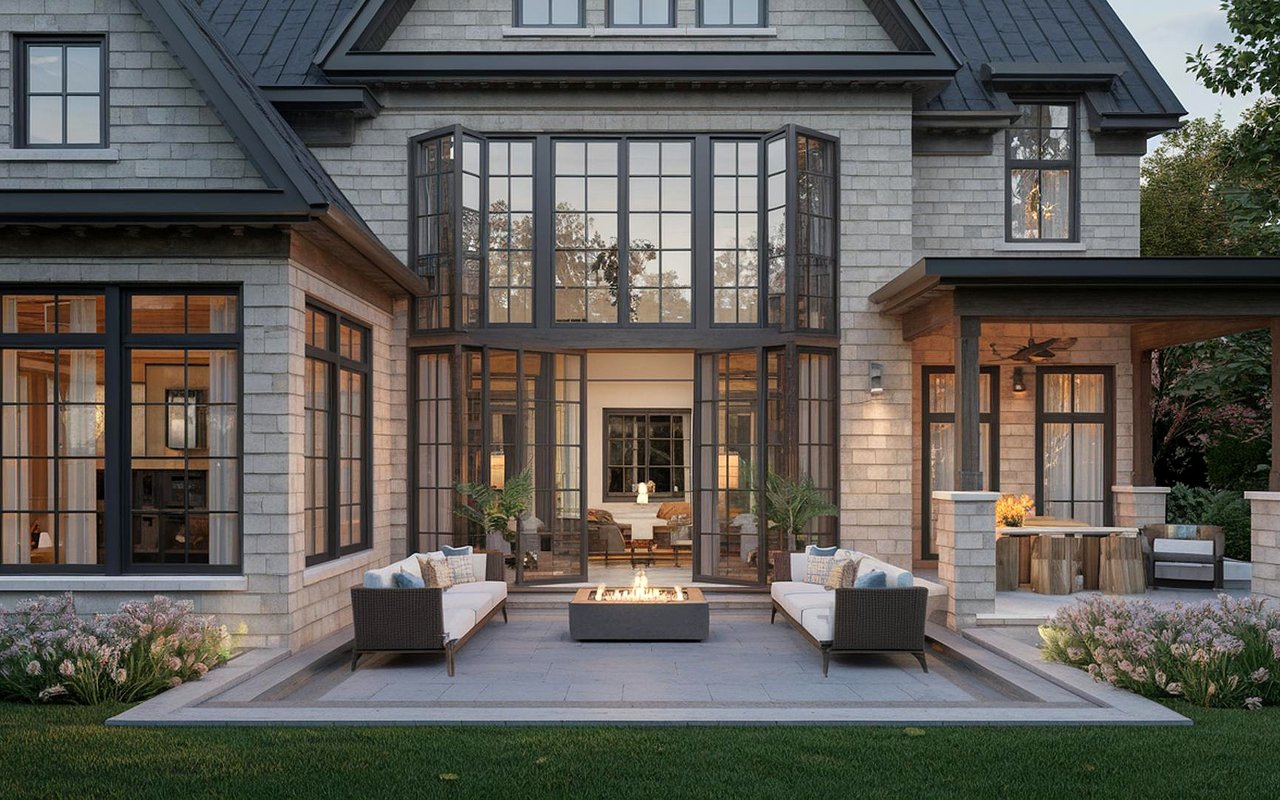
Reading Past the Headlines: How Aspen's Ultra-Luxury Tier Impacts the Numbers You'll See.
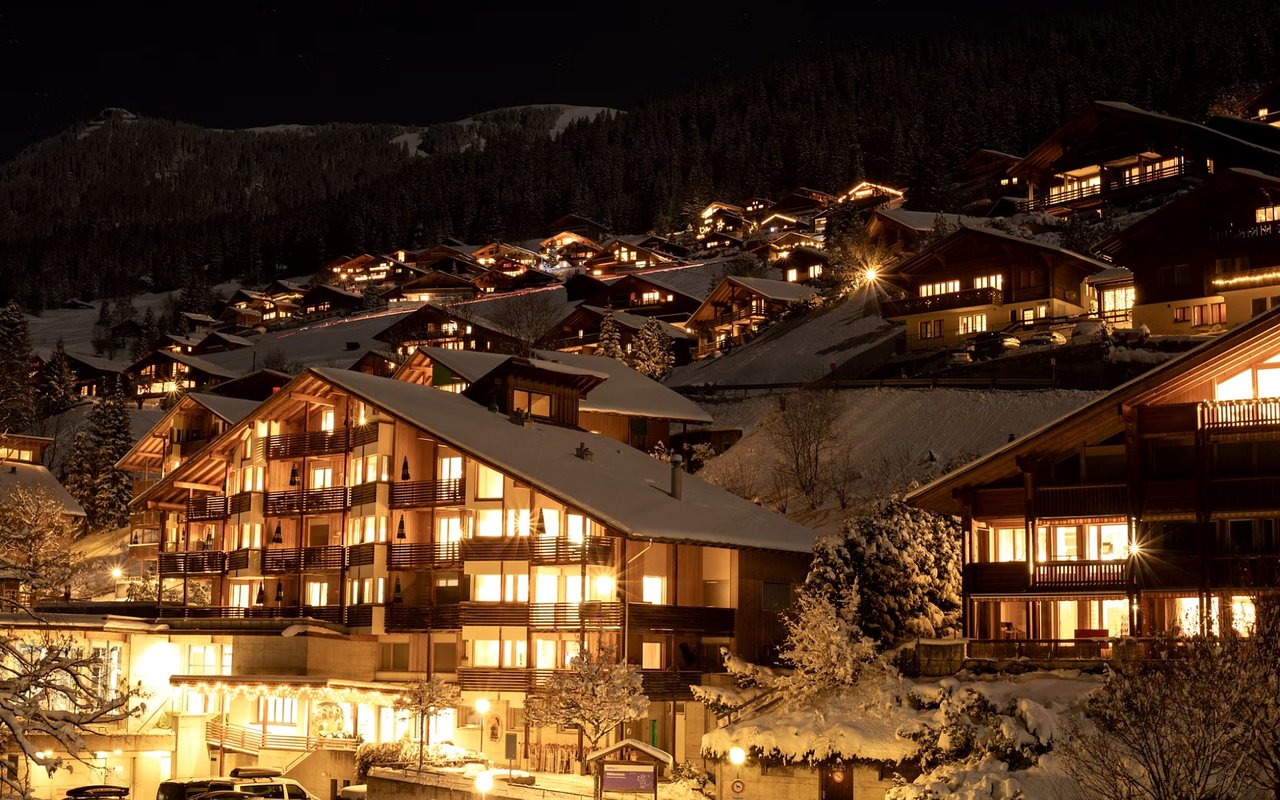
Understanding What Makes Each Corner of Aspen Feel Different.
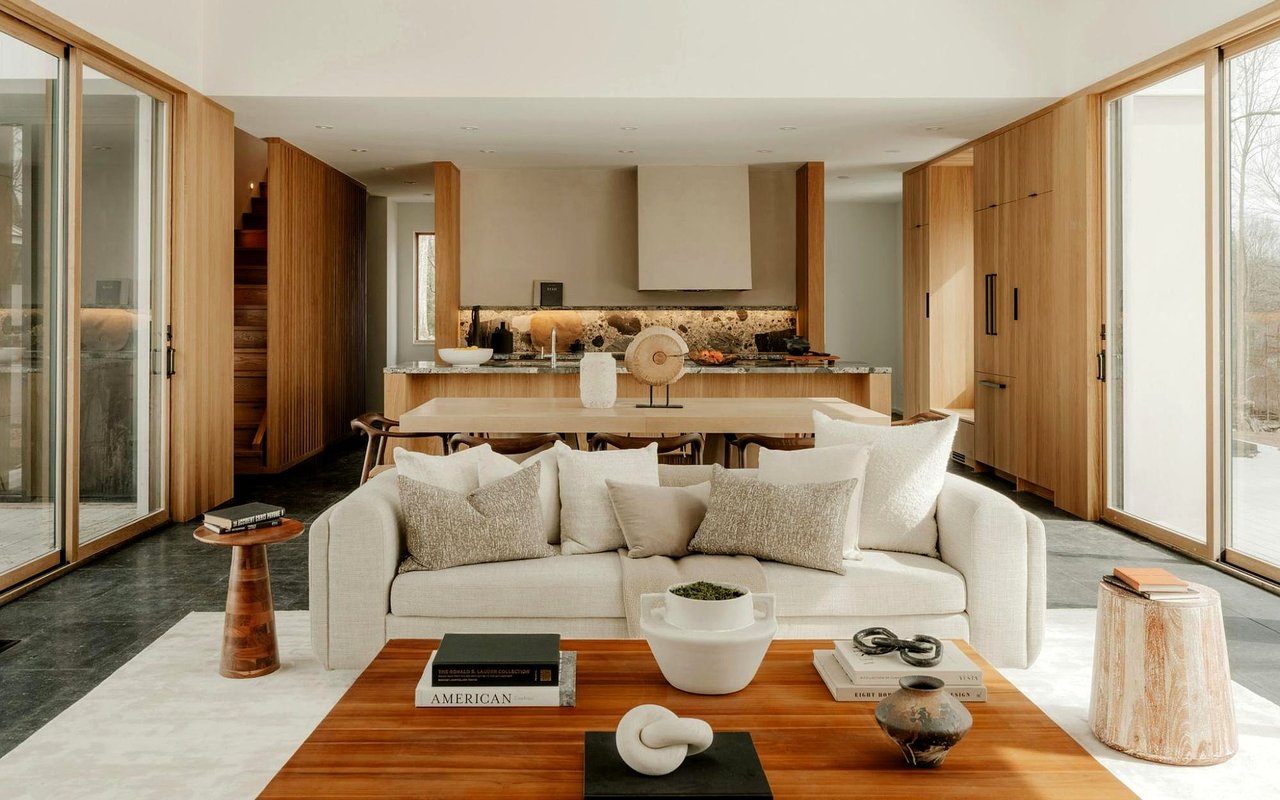
Meeting the 45-Day Deadline in a Thin Market Like Aspen and the Roaring Fork Valley.
When not helping clients realize their dreams Lisa lives her own by hiking, mountain biking, running and telemark skiing in the natural beauty of the Aspen area. Get in touch with her today!