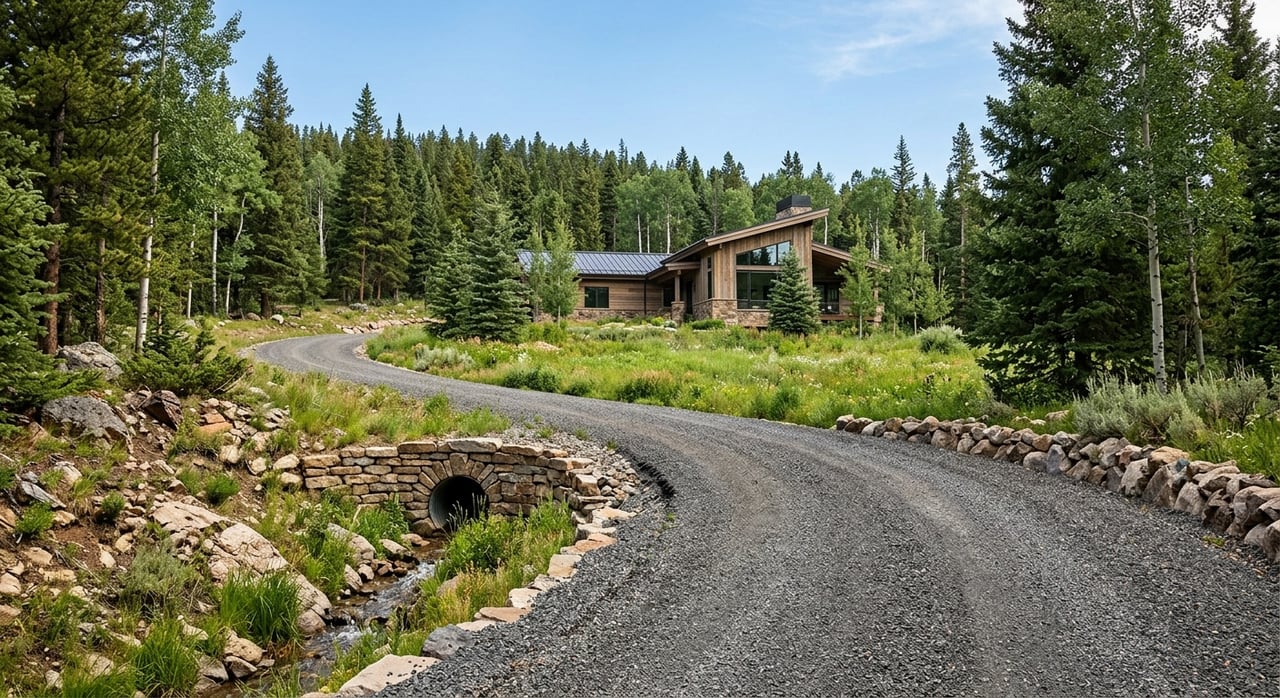
What To Know Before Buying Acreage In Old Snowmass
July 9, 2026
July 9, 2026
If you are dreaming about open land, wide views, and room to build something meaningful, Old Snowmass can feel like the perfect fit. But buying acreage here is very different from buying an in-town home or even a typical mountain lot. Before you make an offer, it helps to understand how Pitkin County rules, site conditions, and rural infrastructure can shape what is actually possible on a property. Let’s dive in.
Old Snowmass is an unincorporated area of Pitkin County, which means county rules govern planning, zoning, building, and environmental health. That matters because your due diligence goes beyond lot lines and price per acre. In many cases, the real question is not just how much land you are buying, but how the county allows you to use it.
Pitkin County’s master planning for the Valleys of Capitol Creek and Lower Snowmass Creek describes the area as predominantly rural and agricultural, with large-lot patterns, smaller subdivisions, and protected open space. For you as a buyer, that means rural character is not accidental. It is part of the planning framework that influences siting, design, and development review.
A 10-acre parcel and a 35-acre parcel can present very different opportunities, but bigger does not always mean more buildable. In Old Snowmass, the usable part of a property can be much smaller than the deeded acreage once setbacks, hazards, drainage, and environmental protections are considered.
Pitkin County notes that site-specific review often creates an activity envelope for structures, access, septic fields, landscaping, and other improvements. That activity envelope is what you should focus on early. It gives you a much clearer picture of what can realistically be built and where.
Before you get attached to a homesite idea, ask how the parcel’s constraints could shape the building area. A property may look expansive on paper, but the practical development zone may be limited by topography, water features, or code requirements.
This is one reason local land guidance matters so much in Old Snowmass. A thoughtful review upfront can help you compare parcels based on long-term fit, not just scenery or total acreage.
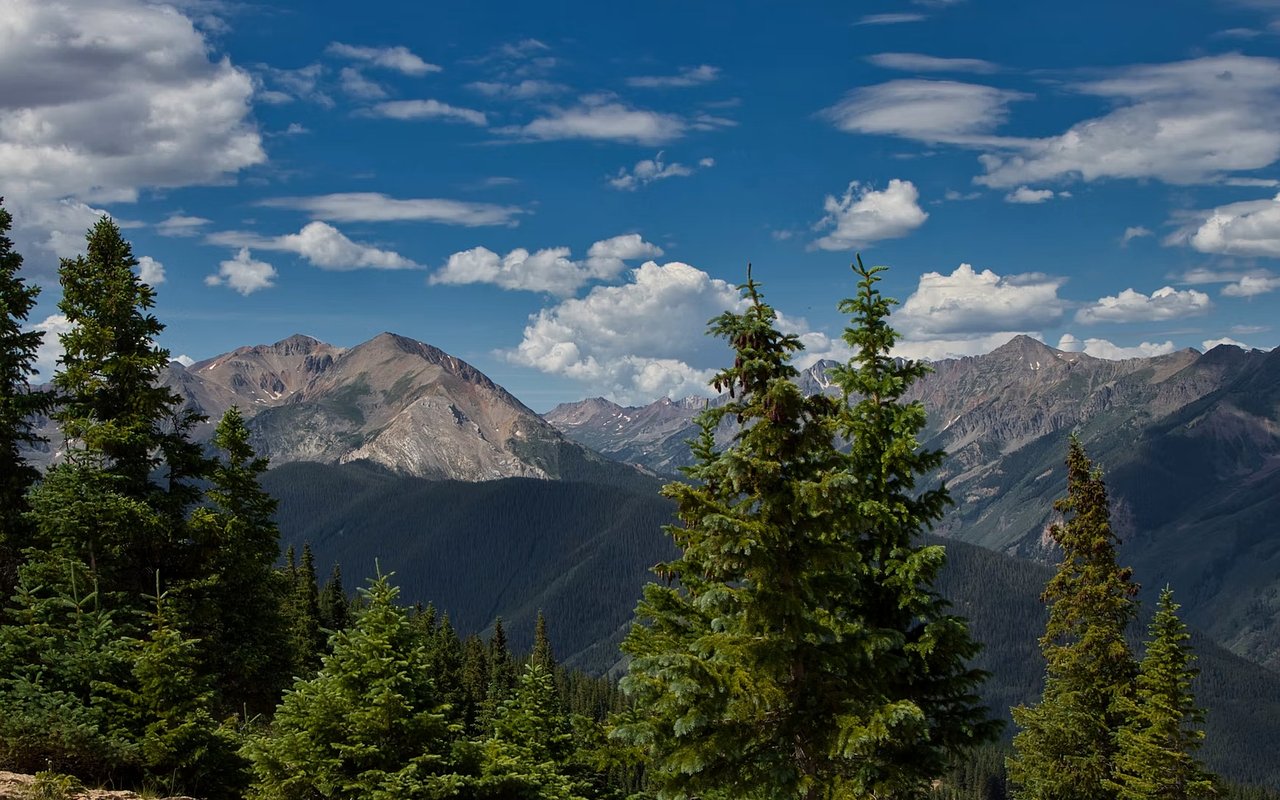
Pitkin County describes this region as mountainous terrain with steep slopes, canyons, broad valleys, and fast-changing weather. Those conditions can affect construction cost, site access, drainage planning, and year-round usability.
The county’s rural living guidance also warns that remote parcels may face avalanche, mudslide, and rockfall hazards. Mapping tools include slope, avalanche, wildfire, floodplain, wildlife, and geologic hazard layers, which can be important in the earliest stages of evaluating land.
A dramatic site may come with more engineering, grading, retaining, or access work than you expected. Even if a parcel is technically buildable, the path to building may be more complex and more expensive than on gentler terrain.
That does not mean you should avoid challenging sites. It means you should evaluate them with clear eyes and a realistic plan.
If a parcel includes a creek, pond, wet area, or irrigation feature, you should pay close attention to development limits near water. Pitkin County says wetlands are common near streams, rivers, lakes, and ponds, and development should generally stay outside wetlands, riparian areas, and the 100-year floodplain.
The county also applies 100-foot stream setbacks from the ordinary high-water mark on both sides of a waterway. In practice, this can reduce where structures, driveways, and other improvements may go.
Buyers often see water on a property as a pure asset, and visually it often is. But from a planning standpoint, creeks, ditches, wetlands, and riparian areas can create real constraints that deserve careful review before you move forward.
They can also affect foundations, drainage, and septic planning. On acreage in Old Snowmass, a beautiful natural feature and a major design limitation can exist at the same time.
One of the biggest misconceptions in rural land purchases is that more acreage automatically allows a much larger house. In unincorporated Pitkin County, allowable development depends on zone district standards, prior approvals, overlays, and other county growth-management tools.
In the Valleys of Capitol Creek and Lower Snowmass Creek overlay, the current code sets a final maximum residential floor area of 5,750 square feet. The overlay also requires new structures and driveways to preserve open irrigated agricultural land and remain compatible with the topography.
Local planning also emphasizes limiting visual impacts from Snowmass Creek Road and Capitol Creek Road, preserving dark skies, and keeping development subordinate to the landscape. That means a home’s placement is not just about your preferred view corridor. It is also about how the property fits into the surrounding rural setting.
For many buyers, this is actually part of the appeal. The rules help preserve the open, understated character that makes Old Snowmass so special.
Legal access is a foundational issue for undeveloped property. Pitkin County says a parcel must have legal access in order to receive land-use approvals and building permits.
Before a new driveway can be built, the parcel generally needs an address and an access driveway development permit. If the property fronts a state highway, a CDOT access permit is also required.
County guidance notes that many rural roads are steep and narrow, and conditions can become muddy, slippery, or impassable in severe weather. Even county-maintained roads may not be plowed immediately after a storm.
That affects daily use, construction planning, and service access. It can also increase costs when large vehicles, equipment, or materials need to reach the site.
Outside urban areas, public utility infrastructure is often limited. Pitkin County generally does not support extending municipal water and sewer lines outside the urban growth boundary.
If sewer service is unavailable, an on-site wastewater treatment system, or OWTS, is required. If a well is needed, the Colorado Division of Water Resources issues the permit, and Pitkin County notes that private well water quality is the owner’s responsibility.
Traditional telephone, natural gas, electric, television, FM radio, and internet service are not available everywhere in rural Pitkin County. Some properties may rely on propane, solar, antennas, or other alternatives.
This is not necessarily a deal breaker. But it should be part of your early planning, especially if you want year-round living, remote work capability, or a smoother construction timeline.
In Colorado, water rights are separate from land ownership. Pitkin County specifically notes that you should not assume a creek, ditch, or irrigation feature on the property automatically includes usable water rights.
Ditches can also affect slopes, septic systems, and foundations, and ditch owners may have maintenance access across private property. If water is part of your vision for the land, this area deserves close attention.
Every parcel in unincorporated Pitkin County has a zone district with standards for land use, setbacks, building size, and other development characteristics. Building permits are required for all structures, and most building permits require a pre-submittal meeting.
For land-use questions, Pitkin County points applicants to pre-application conferences and planning resources. For new builds, the current wildfire resiliency code applies to building permit applications submitted on or after May 2, 2026.
Acreage purchases in Old Snowmass usually call for more than a broker and a lender. Depending on the parcel, you may also need a land-use planner, architect, civil engineer, surveyor, geotechnical engineer, OWTS designer or inspector, and a wildfire specialist.
That may sound like a lot, but on rural land it is often the most efficient path. The right team can help you identify issues early, avoid spending money in the wrong order, and line up a clearer path from purchase to design and permitting.
Before you buy acreage in Old Snowmass, make sure you review these core items:
In Old Snowmass, land value is tied to more than views and acreage totals. It is tied to what the parcel can support, how smoothly it can move through county review, and how well it aligns with your long-term goals.
That is where experienced local guidance can make a real difference. When you look at acreage through the lens of buildability, access, utilities, and future value, you are much more likely to buy the right property the first time.
If you are considering acreage in Old Snowmass and want a clear, strategic read on your options, connect with Lisa Turchiarelli for tailored guidance on land, estate, and development opportunities in the Roaring Fork Valley.

Lisa Turchiarelli is a trusted Aspen real estate advisor with more than 28 years of experience in luxury sales and rentals. A Top Producer at Coldwell Banker Mason Morse and a recipient of the prestigious International Society of Excellence Award, Lisa is recognized among the top 0.5% of Coldwell Banker agents worldwide. Known for her determination, deep market knowledge, and ability to guide clients through every stage of the buying, selling, or investment process, she works tirelessly to help clients find properties that fit their goals perfectly. When she isn’t serving clients, Lisa enjoys embracing the Aspen lifestyle with her family, whether hiking, skiing, or volunteering in her community.
📍 355 Riverside Ave, Westport, CT 06880
📞 (203) 858-2095


Stay up to date on the latest real estate trends.
What to Understand Before You Make an Offer.

What Aspen-Area Sellers Should Understand Before Closing.
Understanding Your Options Beyond Aspen City Limits.
Why Buyers Pay a Premium for a South-Facing Hillside Minutes From Downtown Aspen.
When not helping clients realize their dreams Lisa lives her own by hiking, mountain biking, running and telemark skiing in the natural beauty of the Aspen area. Get in touch with her today!