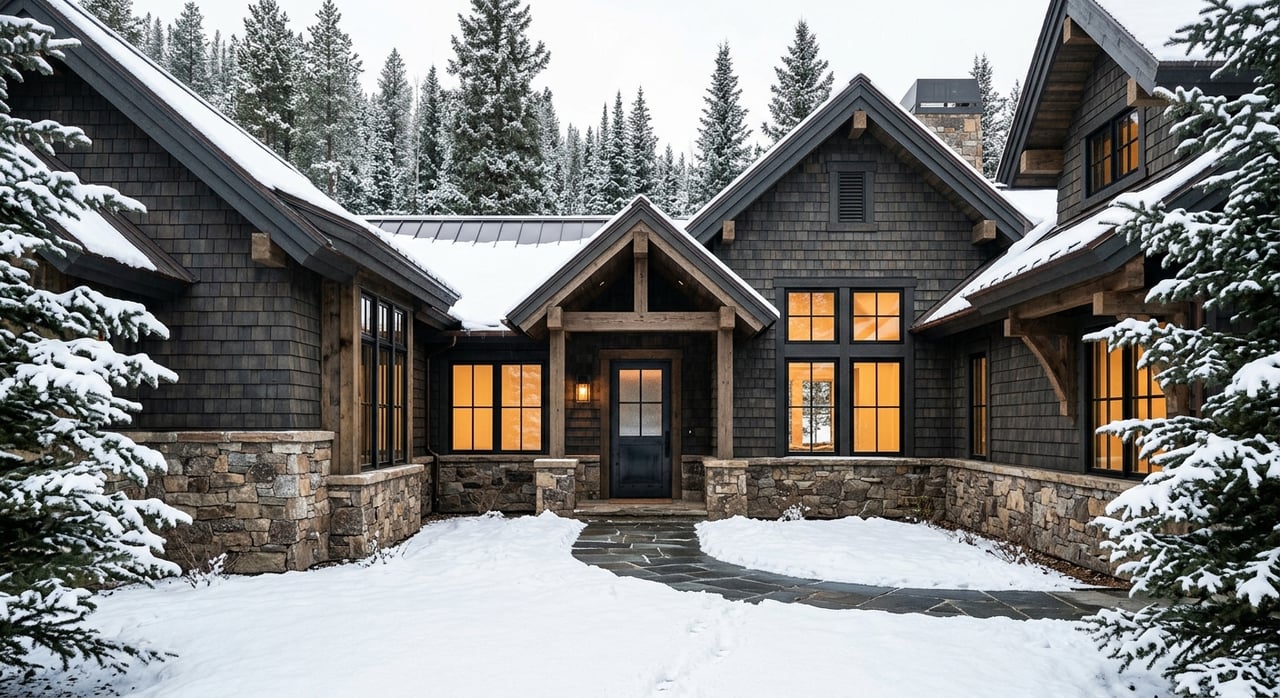
Selling A Red Mountain Estate: What Savvy Sellers Prioritize
June 18, 2026
June 18, 2026
If you are selling on Red Mountain, you are not just bringing a home to market. You are positioning one of Aspen’s most limited and closely watched asset types. Buyers here tend to care as much about views, privacy, design, and timing as they do about square footage or bedroom count. When you understand what those buyers prioritize, you can make smarter decisions before your listing ever goes live. Let’s dive in.
Red Mountain is widely recognized as one of Aspen’s most exclusive hillside neighborhoods. Its appeal comes from a rare mix of quick access to downtown, expansive views toward Aspen Mountain and the Elk Range, strong sun exposure, and a sense of privacy that is hard to replicate elsewhere in the market.
That matters because many buyers do not view a Red Mountain property as a standard residential purchase. They often see it as a lifestyle-driven estate holding in a market with very few true substitutes. In that setting, a successful sale depends on more than presentation alone.
Aspen’s broader market context supports that approach. According to the Aspen Board of REALTORS® May 2026 update, Aspen single-family homes had a median sales price of $10.625 million, 77 active listings, and 13.2 months of supply. The same report notes that monthly results can look dramatic because the sample size is small, which is especially important in the ultra-luxury segment.
On Red Mountain, views are part of the product itself. Homes with unobstructed outlooks toward town, Aspen Mountain, and the Elk Range often stand out, especially when the site orientation captures strong natural light through the day.
Aspen’s community planning priorities also reinforce the importance of mountain views and scenic setting. For you as a seller, that means buyers may evaluate your property through the lens of view corridors, site placement, and how well the home connects to the landscape, not just how updated the interior feels.
Privacy is one of Red Mountain’s defining features, and buyers tend to expect it. That expectation goes beyond the lot line. It often includes how the home is approached, what is visible from the drive, how outdoor spaces are screened, and whether the property feels separated from neighboring homes.
These details may seem subtle, but in an estate sale they can influence how a buyer ranks your property against others. A quiet, protected arrival experience can strengthen the impression that the home offers the exclusivity associated with the address.
Many Red Mountain properties are prized for south- or west-facing orientation and all-day sun. In a mountain environment, that can carry practical and emotional value. Light, warmth, and the ability to enjoy outdoor spaces comfortably can all shape how buyers perceive livability.
When your marketing highlights orientation, exterior living areas, and seasonal light, it helps tell a more complete story. That story is often more persuasive than a basic list of rooms and finishes.
Aspen places a high value on community character, mountain views, and architectural heritage. The city’s long-standing preservation culture adds context for why design quality matters so much in this market.
For a Red Mountain seller, that means buyers may pay close attention to architectural pedigree. They may want to know who designed the home, whether updates respected the original intent, and how the structure sits on the site.
In Aspen, well-executed remodels can be especially important because newer built product is limited in parts of the market by strict in-town zoning constraints. Buyers often compare a legacy estate, a carefully renovated home, and a newer design-forward property very differently.
If your home has been updated, it helps to present those improvements with clarity. Organized details on architects, designers, major permits, materials, and the scope of work can make the home easier to evaluate and easier to trust.
A polished estate presentation is not only visual. It is also operational. When your listing package includes a clear record of major upgrades and design decisions, buyers can move from curiosity to confidence more quickly.
That kind of preparation matters in a market where large purchases are often made by sophisticated second-home buyers and global purchasers. Clean documentation supports the sense that the property has been thoughtfully managed.
Not every Red Mountain estate should follow the same public launch strategy. Aspen remains a market where discretion matters, and off-market activity is meaningful. Estin reported that off-market sales accounted for 35% of Aspen single-family sale dollars in the first half of 2025.
That statistic says a lot about buyer behavior at the top of the market. Some properties benefit from broad visibility, while others may perform better with a quieter rollout, targeted introductions, and carefully managed exposure.
For sellers, the key is not choosing between private and public marketing too early. It is building a strategy that matches the home. A highly customized estate or one likely to appeal to a narrow buyer pool may require more discretion and more relationship-driven outreach from the start.
Aspen’s demand patterns are shaped by tourism, second-home ownership, and major seasonal activity. Aspen Snowmass spans four mountains and more than 5,700 acres of terrain, while Aspen’s cultural calendar includes high-profile summer events such as Aspen Ideas Festival, JAS Aspen Snowmass, and the FOOD & WINE Classic in Aspen.
That means buyer traffic does not always follow a standard national housing rhythm. In Aspen, serious buyers are often already in town during ski season and key summer event periods, which makes readiness more important than reacting late.
For many Red Mountain sellers, the better question is not, “What is the perfect week to list?” It is, “Will my property be fully ready when the right buyers are here?” That usually includes photography, pricing, feature documentation, and a complete positioning strategy well before the busiest periods begin.
Legacy estates especially benefit from advance planning. When the property is ready before buyer attention peaks, you have more control over first impressions and less pressure to rush decisions.
If your Red Mountain estate has been used as a short-term rental, buyers may want to understand that history clearly. In the City of Aspen, a short-term rental is defined as residential occupancy for fewer than 30 days, and the city requires both a short-term rental permit and a business license before operation.
The city states that owner-occupied permits are limited to 120 rental nights per year, while classic permits are not capped by annual nights but may be limited in certain zone districts. Aspen also requires annual renewal, and a permit with one year of zero tax filings can be treated as abandoned.
Not every Red Mountain property follows the same short-term rental framework. Depending on the parcel, a property may fall under the City of Aspen or Pitkin County. Properties inside city limits need a City of Aspen permit, while properties outside city limits need a Pitkin County permit.
That distinction matters during due diligence. If rental history is part of your property story, the permitting path should be verified early so there is no confusion later.
Aspen updated its short-term rental program in November 2025 to streamline renewals and add limited transferability and tax-filing flexibility in certain cases. The city also created a temporary permit type for new owners with pre-existing reservations and now requires rental platforms to display permit numbers and remove non-compliant ads.
If your home has a rental component, it is wise to have permit numbers, tax filing history, booking calendars, reservation details, and manager contacts organized before listing. That preparation does not create value on its own, but it can make the income story easier to verify and reduce buyer hesitation.
When I look at what consistently helps estate listings stand out in Aspen, the same priorities tend to rise to the top:
A Red Mountain estate deserves more than a standard listing plan. It requires a tailored strategy that respects the property, the buyer pool, and the way Aspen’s ultra-luxury market actually moves.
If you are considering a sale and want a thoughtful plan around pricing, presentation, timing, or discreet marketing, Lisa Turchiarelli can help you position your Red Mountain estate with clarity and confidence.

Lisa Turchiarelli is a trusted Aspen real estate advisor with more than 28 years of experience in luxury sales and rentals. A Top Producer at Coldwell Banker Mason Morse and a recipient of the prestigious International Society of Excellence Award, Lisa is recognized among the top 0.5% of Coldwell Banker agents worldwide. Known for her determination, deep market knowledge, and ability to guide clients through every stage of the buying, selling, or investment process, she works tirelessly to help clients find properties that fit their goals perfectly. When she isn’t serving clients, Lisa enjoys embracing the Aspen lifestyle with her family, whether hiking, skiing, or volunteering in her community.
📍 355 Riverside Ave, Westport, CT 06880
📞 (203) 858-2095


Stay up to date on the latest real estate trends.


What to Understand Before You Make an Offer.

What Aspen-Area Sellers Should Understand Before Closing.

Understanding Your Options Beyond Aspen City Limits.

Why Buyers Pay a Premium for a South-Facing Hillside Minutes From Downtown Aspen.
When not helping clients realize their dreams Lisa lives her own by hiking, mountain biking, running and telemark skiing in the natural beauty of the Aspen area. Get in touch with her today!