The West End's Real Ceiling on Home Size Is a Certificate, Not a Lot Line
October 1, 2026
October 1, 2026
"I live in 750 square feet. That's a whole house to me."
Aspen Mayor Richards said this out loud during a December 31, 2025 city council meeting, while explaining why he was only "very grudgingly" in favor of the ordinance in front of him. The item was small on paper: six certificates, tied to a vacant lot at 500 West Francis Street in the West End. The vote was unanimous. But the mayor's discomfort points at something every West End buyer needs to understand before they write an offer, because it has nothing to do with the number on the lot survey and everything to do with a piece of paper that can be bought, sold, and stockpiled independent of any house.
That piece of paper is a Transferable Development Right, and in the West End it is doing more to set a home's ceiling than the zoning code ever will on its own.
The lot in question is a side-yard buffer next to a historic Victorian house, split off from the main parcel back in 2007. Under Ordinance 17, the city agreed to convert a 500-square-foot floor-area bonus tied to that lot into six separate TDR certificates, each representing 250 square feet of buildable floor area under the city's program, codified in Aspen's Land Use Code section 26.535. Once issued, those certificates stop being attached to the West Francis Street address at all. They become a tradable asset that can be sold to the owner of a completely different property, anywhere in the city that qualifies as a receiving site, who wants to build bigger than their own lot's zoning would otherwise allow.
The lot's applicant, representing the current owner, argued for the conversion specifically to preserve the open, park-like feel next to the Victorian rather than see it built out. Council agreed. But Mayor Richards' quote is the part worth sitting with: the program that just protected one historic setting in the West End is, structurally, the same program that lets floor area appear on a completely unrelated lot somewhere else in town, sized well beyond what that lot's own zoning envelope would predict.
Here's why this matters more in the West End than almost anywhere else in Aspen. The neighborhood is built on small, century-old mining-era lots, the kind that made a Victorian cottage feel appropriately scaled in 1890 but that now sit inside one of the most expensive housing markets in the country. As of the three months ending June 2026, the median West End home sale price stood at $22.0 million, up 17.0% from the same period a year earlier. Median price per square foot in the neighborhood has climbed to roughly $3.5K, up 3.4% year over year. When square footage itself is worth that much, whether a given lot can add 250 or 500 more square feet isn't a footnote. It's the difference between an eight-figure valuation and a much higher one.
At an April 13, 2026 work session, city planning staff told the Historic Preservation Commission and council that Aspen's TDR program has issued 135 certificates across 39 sending sites since it began under a 2003 ordinance, with 68 of those certificates having landed on receiving properties elsewhere in the city. Of the landed certificates with reported sale prices, values ranged from about $153,000 to $700,000, averaging near $274,818. A separate reference from that same December council discussion cited a $700,000 sale for a single 250-square-foot certificate. Buyers comparing two similarly sized West End houses need to ask which one already has its floor area capped by a recorded deed restriction, and which one might still have room to land a certificate and grow.
A Denver Gazette piece published September 25, 2026 cites a much higher figure, around $850,000, for a TDR, describing an increment of 2,500 square feet. That number almost certainly reflects Pitkin County's separate TDR program, which trades in much larger 2,500-square-foot increments for backcountry and rural parcels, rather than the city's 250-square-foot certificates that apply inside West End lot lines. The two programs are easy to conflate because they share a name and a purpose, but they are not interchangeable, and a buyer or their attorney should confirm which program, city or county, actually applies to any certificate under discussion before treating a headline price as a benchmark.
The mechanism cuts both ways, and that's the part a listing photo never shows.
A historic Victorian that looks modest from the street may have already sold off its unbuilt floor area as certificates years ago, in exchange for cash the prior owner used elsewhere. That house is now permanently restricted below what its zoning would otherwise allow, by a deed restriction recorded against the title. No renovation permit will ever let it grow past that line. Buyers who assume "old West End cottage plus generous lot equals expansion potential" can be wrong in a way that only shows up when a title search or a call to the city's historic preservation office turns up the recorded certificate history.
Meanwhile, a newer or non-historic property elsewhere in the West End may have landed one or more purchased certificates and been built out well past what its lot size alone would suggest, which is part of what Mayor Richards was pointing at when he warned about "oversized houses in other neighborhoods where landed TDRs have enabled floor area beyond typical lot scale." The visual cue that seems intuitive, that a bigger house sits on a bigger lot, doesn't reliably hold once certificates are in play.
Planning staff have acknowledged the program's ambiguity is a live issue, not a settled one. At that same April 2026 session, the Historic Preservation Commission asked council to clarify how TDRs interact with existing floor-area bonuses, and whether the program is quietly shifting development pressure out of the historic core and onto smaller lots elsewhere in town. Council asked staff to return with a fuller inventory of where certificates have landed versus where they remain unlanded. That inventory did not exist yet as of the most recent public session referenced. Which means the honest answer, for now, is that a buyer has to ask the question property by property rather than assume a citywide pattern.
Aspen's Land Use Code makes floor-area history a matter of public record, but it takes a specific ask to surface it. A few questions worth putting to your agent, your title company, or the city's historic preservation staff directly:
None of this shows up on a standard comparative market analysis. It shows up in the city's land use records and in a conversation with the city's historic preservation staff, who confirmed in past council sessions that they track sending sites, landing sites, and certificate status as part of the public record tied to Chapter 26.535.
Price per square foot tells you what square footage costs today. It doesn't tell you whether the square footage you're picturing, in an addition, a second story, or a pool house, is still legally available to build. In a neighborhood where lots are small, homes are historic by design or by neighbor, and floor area itself now changes hands for six figures independent of any land sale, that distinction is the one that actually determines what your purchase becomes five years from now.
Does every historic property in the West End have TDRs attached to it? No. A TDR certificate only exists where the city has formally approved one through an ordinance, tied to a specific deed restriction on a specific property. Many historic West End homes have no TDR history at all. The only way to know is to check the property's specific record with the city.
Can a buyer purchase a TDR certificate to add square footage after closing? Yes, in principle, provided the receiving property qualifies under the city's zone district rules for landing a certificate. That eligibility, and the cost of an available certificate on the open market, should be confirmed before assuming an addition is possible.
Does a recorded TDR deed restriction ever expire? The restrictions tied to Aspen's historic TDR program are structured to be permanent once recorded. That permanence is the entire point of the program: it trades a one-time payment or a preserved setting for a floor-area cap that runs with the land indefinitely.
If you're weighing a West End purchase and want the floor-area history pulled on a specific address before you write an offer, I'm glad to help you get the real picture. Aspen Luxury Real Estate works through exactly this kind of detail with clients every week. Let's Connect.

Lisa Turchiarelli is a trusted Aspen real estate advisor with more than 28 years of experience in luxury sales and rentals. A Top Producer at Coldwell Banker Mason Morse and a recipient of the prestigious International Society of Excellence Award, Lisa is recognized among the top 0.5% of Coldwell Banker agents worldwide. Known for her determination, deep market knowledge, and ability to guide clients through every stage of the buying, selling, or investment process, she works tirelessly to help clients find properties that fit their goals perfectly. When she isn’t serving clients, Lisa enjoys embracing the Aspen lifestyle with her family, whether hiking, skiing, or volunteering in her community.
📍 355 Riverside Ave, Westport, CT 06880
📞 (203) 858-2095


Stay up to date on the latest real estate trends.
What to Understand Before You Make an Offer.

What Aspen-Area Sellers Should Understand Before Closing.
Understanding Your Options Beyond Aspen City Limits.

Why Buyers Pay a Premium for a South-Facing Hillside Minutes From Downtown Aspen.

What Location, Building Age, and Association Rules Mean for Your Downtown Aspen Purchase.
Reading Past the Headlines: How Aspen's Ultra-Luxury Tier Impacts the Numbers You'll See.
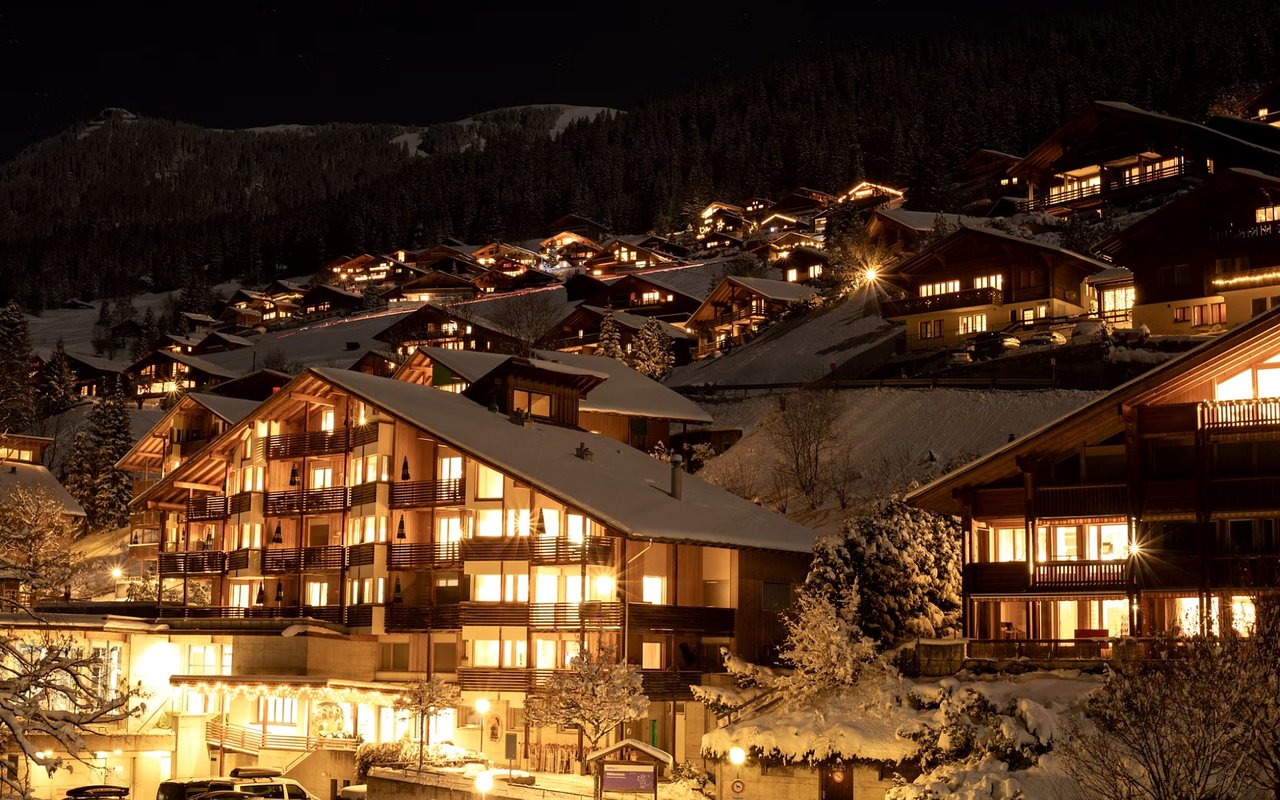
Understanding What Makes Each Corner of Aspen Feel Different.
Meeting the 45-Day Deadline in a Thin Market Like Aspen and the Roaring Fork Valley.
When not helping clients realize their dreams Lisa lives her own by hiking, mountain biking, running and telemark skiing in the natural beauty of the Aspen area. Get in touch with her today!